
154 Gallery @ CBD L2, 154 Queen Street, Auckland CBD, NZ
Extending to end of August
11am - 2pm every Sat. & Sun.
(延展至8月底,每週六&週日上午11點到下午兩點)
免費入场 Free entry
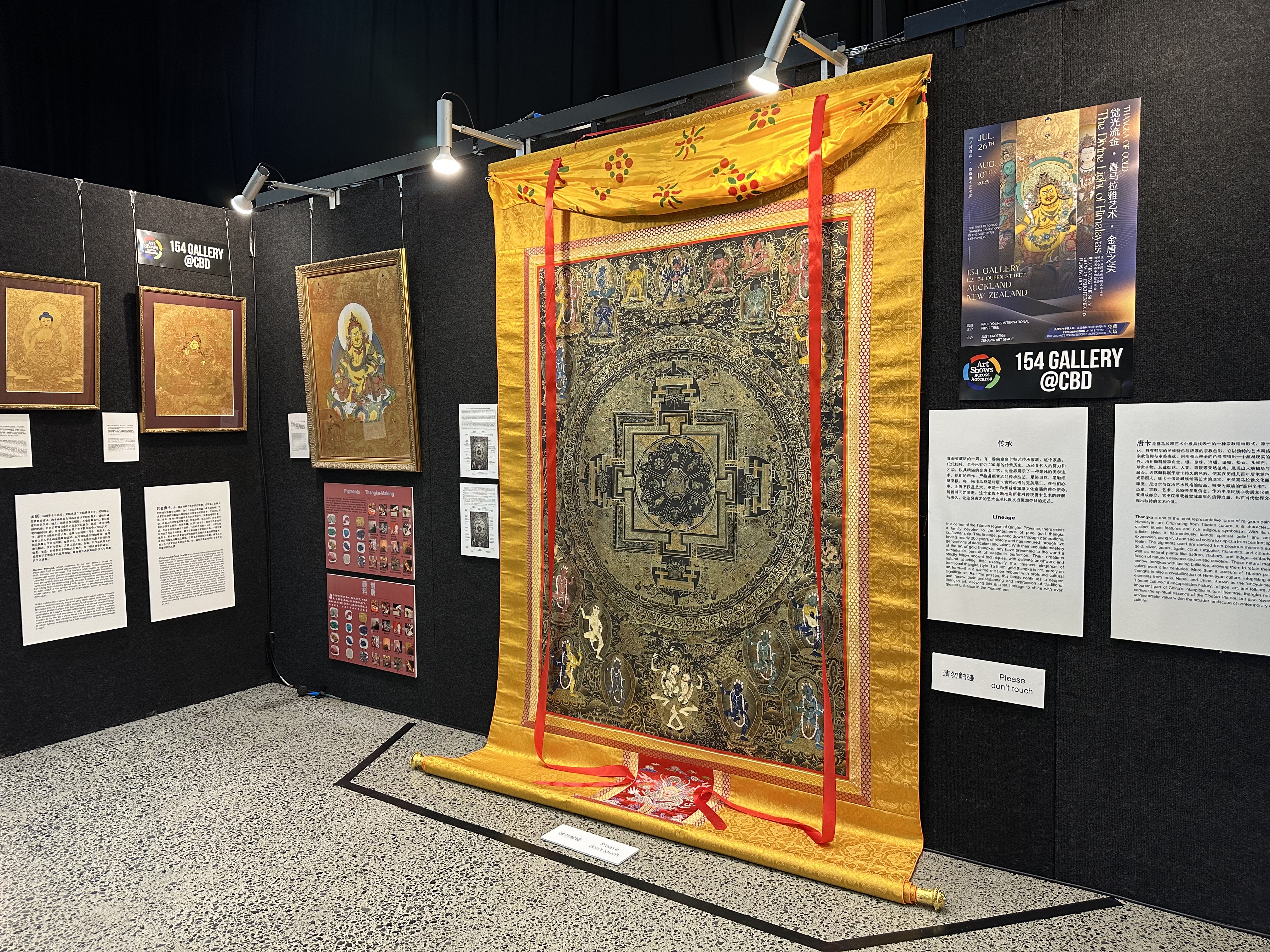
Jointly presented by Paul Young International, First Tree, Just Prestige, and Zenawa Art Space at 154 Gallery, Auckland CBD:
“THANGKA OF GOLD: THE DIVINE LIGHT OF HIMALAYAS”
The first Rebgong thangka exhibition in the Southern Hemisphere, showcasing unique Tibetan religious art created with gold, silver, gemstones, and natural dyes. Fusing Indian, Nepalese, and Chinese styles, thangka is known as the “encyclopedia of Tibetan culture” and is a vital intangible cultural heritage reflecting Himalayan spiritual and artistic values.
收藏家預約專場請洽 Tim 022 6269628。

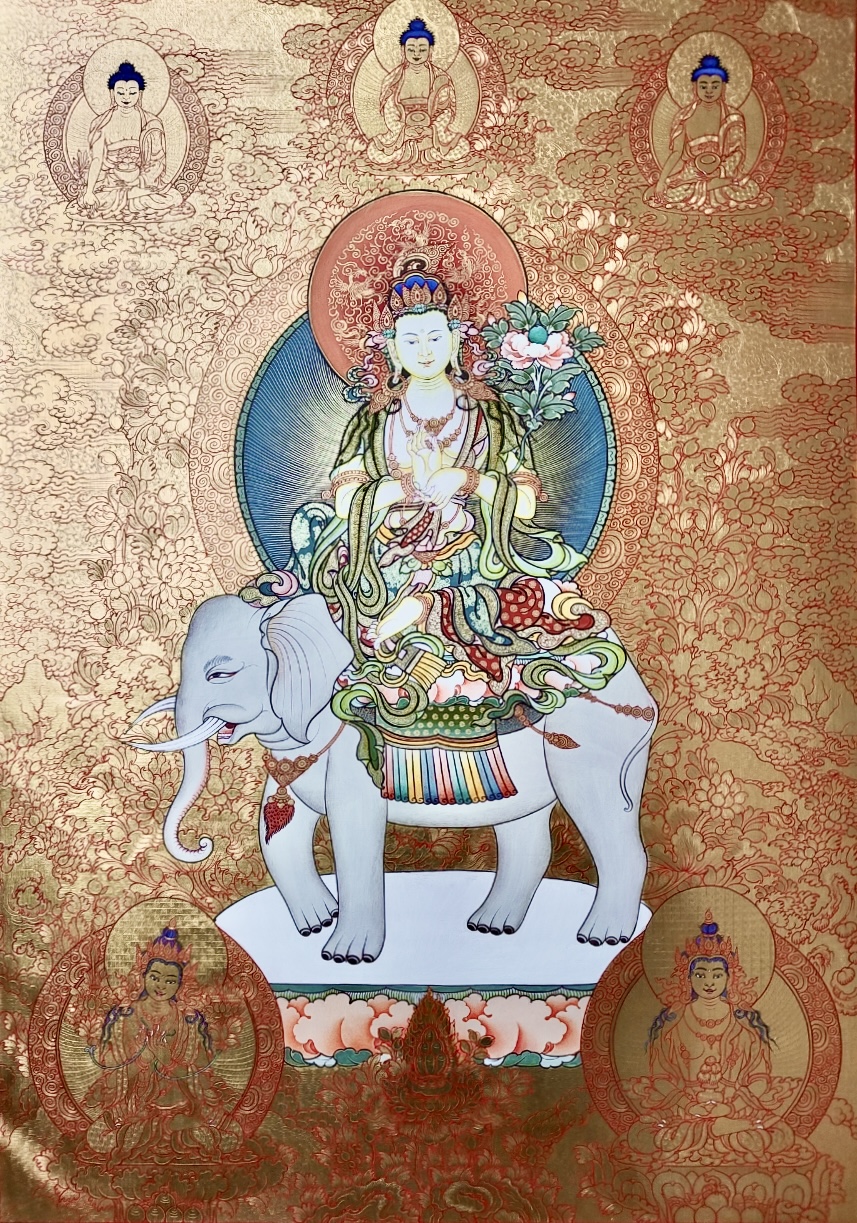
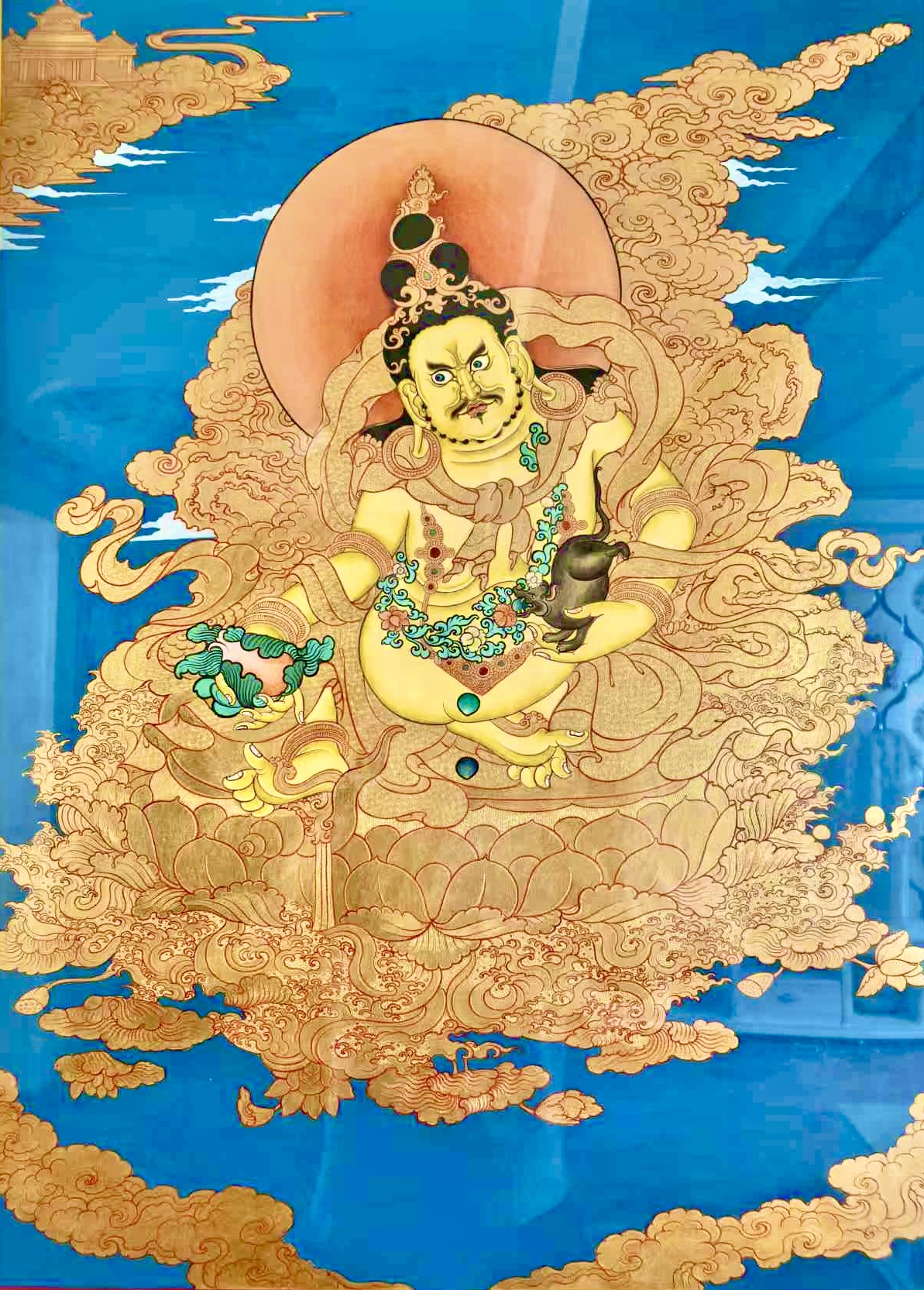
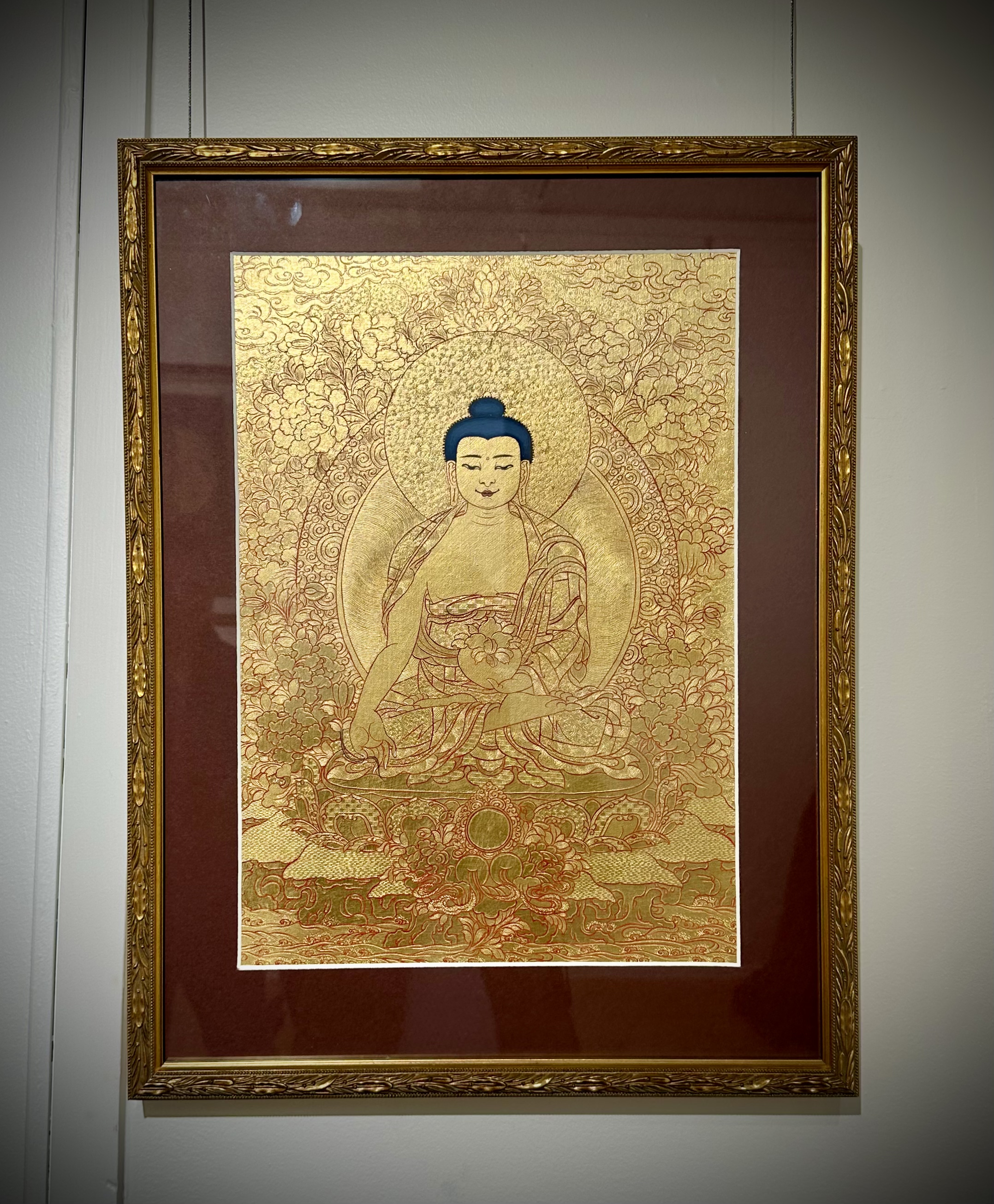
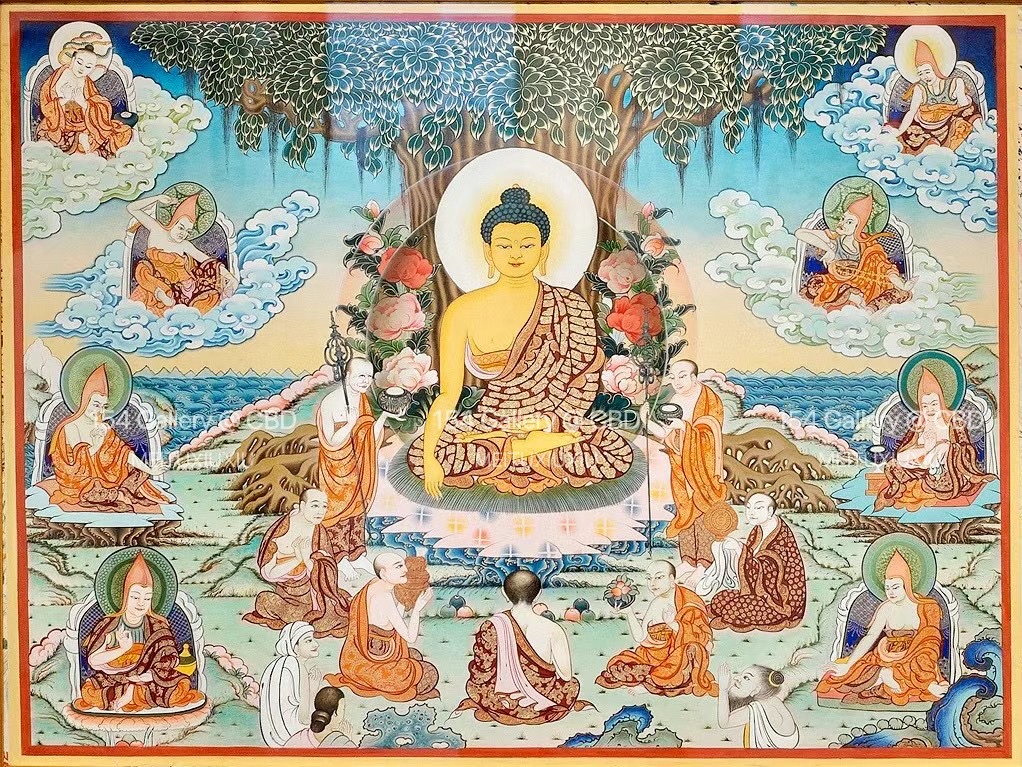
是喜馬拉雅藝術中極具代表性的一種宗教繪畫形式,源於藏族文化,具有鮮明的民族特色與濃厚的宗教色彩。它以獨特的藝術風格,融合宗教信仰與審美表達,用明亮而神聖的色彩描繪出一個超越現實的精神世界。所用顏料皆取自金、銀、珍珠、瑪瑙、珊瑚、松石、孔雀石、朱砂等珍貴礦物,及藏紅花、大黃、藍靛等天然植物,展現出天地精華與藝術的融合。天然顏料賦予唐卡持久的色彩,使其在歷經幾百年後依然色彩斑斕、光彩照人。唐卡不僅是藏族繪畫藝術的瑰寶,更是喜馬拉雅文化圈中融合印度、尼泊爾與漢地藝術風格的結晶,被譽為藏族的“百科全書”,濃縮了歷史、宗教、藝術、民俗等多重信息。作為中華民族非物質文化遺產的重要組成部分,它不僅承載著雪域高原的信仰力量,也在當代世界文化中展現出獨特的藝術價值。
Is one of the most representative forms of religious painting in Himalayan art. Originating from Tibetan culture, it is characterised by distinct ethnic features and rich religious symbolism. With its unique artistic style, it harmoniously blends spiritual belief and aesthetic expression, using vivid and sacred colors to depict a transcendent spiritual realm. The pigments used are derived from precious minerals such as gold, silver, pearls, agate, coral, turquoise, malachite, and cinnabar, as well as natural plants like saffron, rhubarb, and indigo-embodying a fusion of nature's essence and artistic devotion. These natural materials endow thangkas with lasting brilliance, allowing them to retain their vivid colors even after centuries. More than a treasure of Tibetan painting, thangka is also a crystallization of Himalayan culture, integrating artistic elements from India, Nepal, and China. Known as the "encyclopedia of Tibetan culture," it encapsulates history, religion, art, and folklore. As an important part of China's intangible cultural heritage, thangka not only carries the spiritual essence of the Tibetan Plateau but also reveals its unique artistic value within the broader landscape of contemporary world culture.
在青海省藏區的一隅,有一個專注於純金唐卡技藝的傳承家族。這個家族代代相傳,至今已有近超過兩百年的歷史,歷經五代人的努力與才華,以其精湛的金唐卡工藝,向世界展現了一種非凡的美學追求。
他們的創作嚴格遵循古老的傳統技法,筆觸細膩、暈染自然,每一幅作品皆完美詮釋了唐卡的古樸風格。在他們心中,金唐不僅是一門藝術,更是一項承載深厚文化意涵的神聖使命。
隨著時光流轉,這個家族不斷深化並創新對傳統唐卡藝術的理解與表現,讓這門古老的藝術在當代煥發出更加耀眼的光芒。
In a remote corner of the Tibetan region of Qinghai Province, there is a family devoted to the inheritance of pure gold thangka craftsmanship. This lineage, passed down through generations, spans over 200 years and has endured through five generations of dedication and talent. With their exquisite mastery of golden thangka art, they have introduced to the world a remarkable pursuit of aesthetic and spiritual excellence.
Their works strictly adhere to time-honored techniques—featuring delicate brushwork and subtle natural shading—that exemplify the timeless elegance of traditional thangka style. To this family, golden thangka is not merely an art form; it is a sacred calling infused with profound cultural significance.
Over time, they have continually deepened and renewed their understanding and expression of this traditional art, allowing an ancient heritage to shine ever more brilliantly in the modern era.
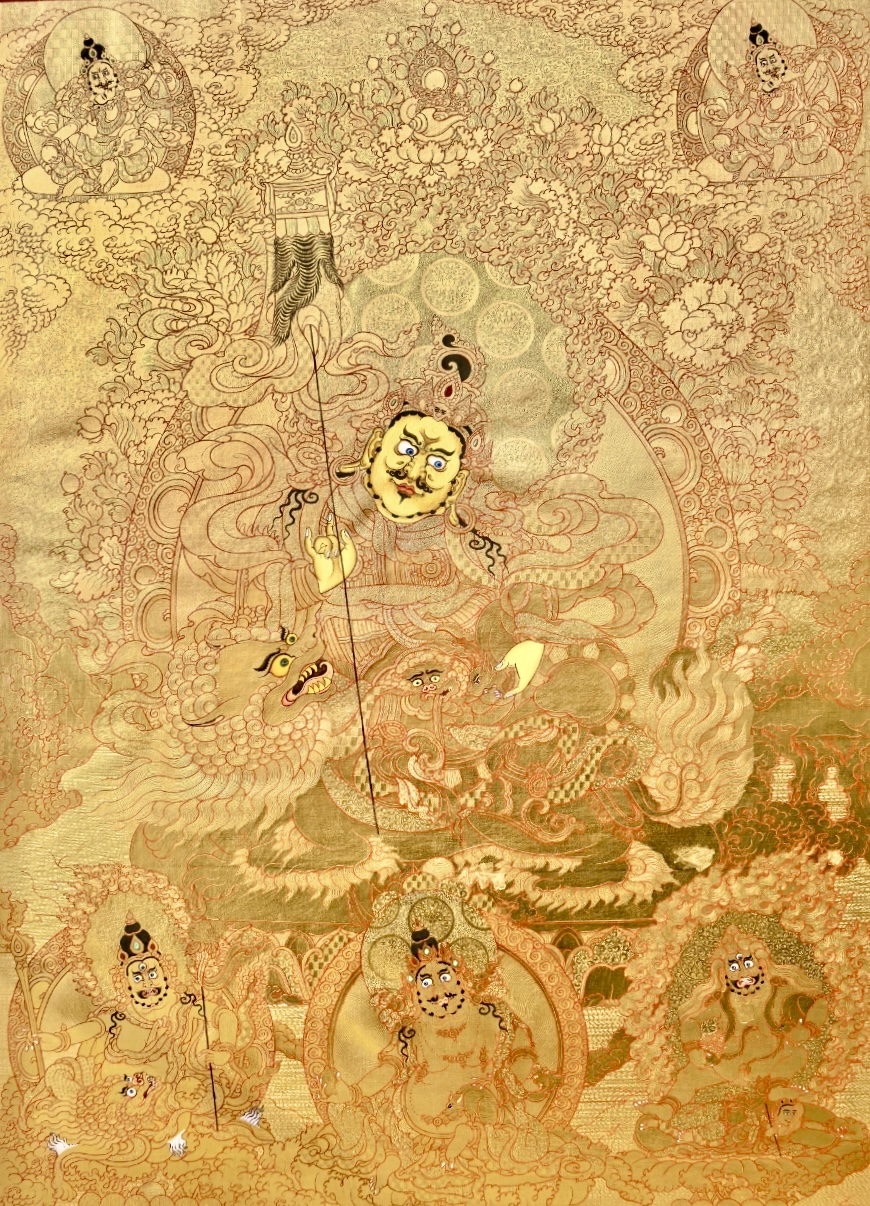
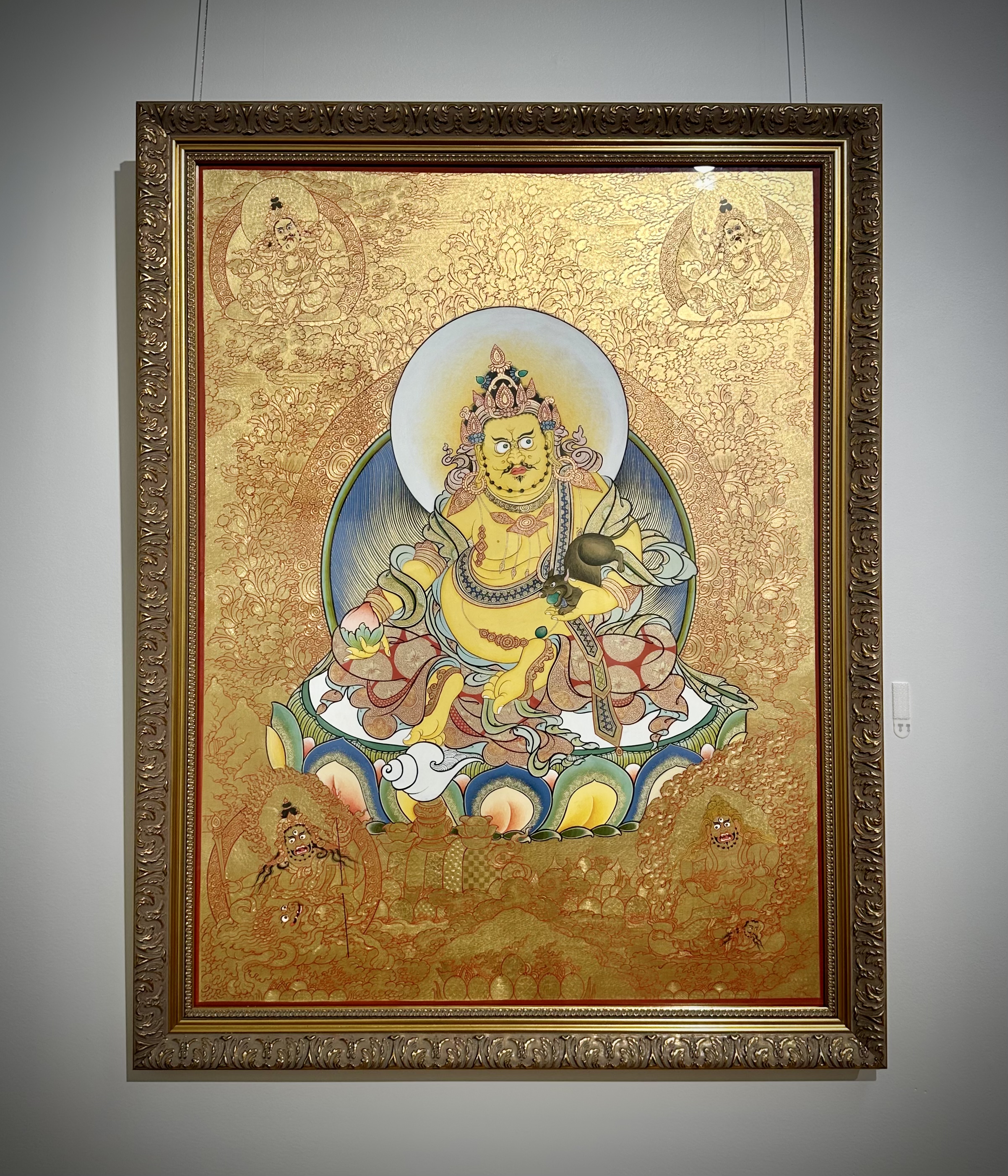
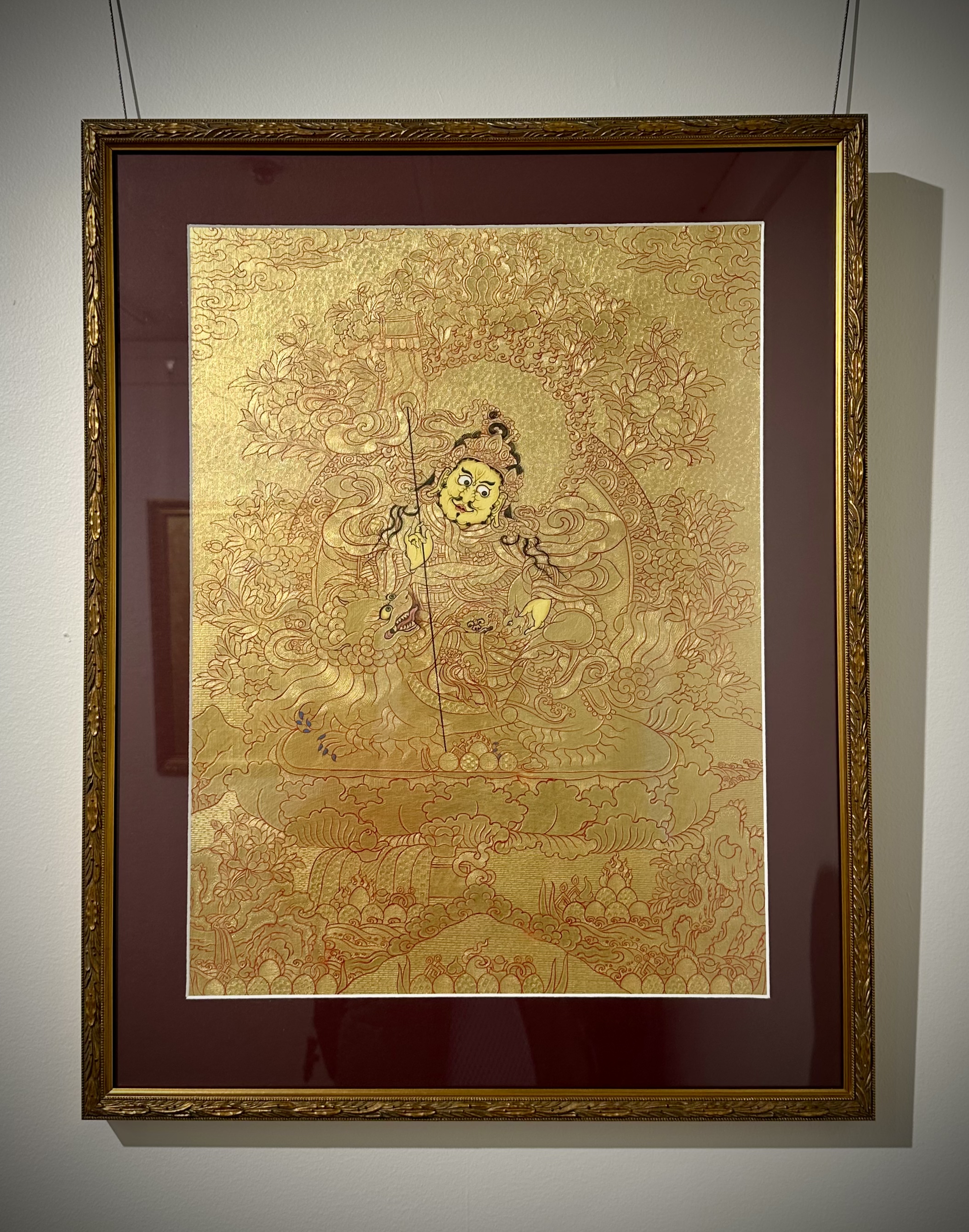
起源於十九世紀,靈感源自寺院佛像的金身,其製作工藝繁複而精妙。唐卡畫師首先以骨膠與黃金塗布畫布,鋪陳出璀璨的金色世界。隨後運用丹紅精心描繪,在金色底層上勾勒出細緻線條,使丹紅筆觸與金底交織融合。之後,畫師以瑪瑙筆精雕細琢、反覆打磨,使金唐在自然光下散發出令人驚嘆的光澤,展現出無與倫比的層次與立體感。
金唐的製作有別於一般唐卡,其最大特色在於全幅畫面皆以黃金繪成,並以瑪瑙筆精雕細刻,作品兼具華麗外觀與深邃內涵。金唐藝術經由唐卡大師家族代代傳承、精進與創新,方能臻至今日之境界。
金唐不僅是一場視覺的盛宴,更是珍貴的非物質文化遺產。每一幅金唐卡的誕生,皆為對藝術極致追求的致敬,凝聚藝術家高超技藝與深厚文化底蘊。
Originating in the 19th century, draws inspiration from the gilded figures found in temple statues. Its craftsmanship is both intricate and exquisite. The thangka artist begins by coating the canvas with a mixture of animal glue and gold, establishing a radiant golden foundation. Over this luminous surface, cinnabar red is delicately applied, and fine lines are meticulously outlined, allowing the red brushstrokes to intertwine and harmonize with the shimmering gold beneath.
Subsequently, the surface is sculpted and polished using a burnishing tool—typically tipped with agate—which brings out a breathtaking brilliance in natural light and reveals an unparalleled depth and dimensionality.
Unlike traditional thangkas, golden thangkas are created entirely using gold pigment, with details meticulously engraved and polished using agate-tipped tools. This distinctive method imparts a unique blend of opulence and subtlety to each piece.
The art of the golden thangka has been passed down and refined through generations of thangka masters, evolving through both careful preservation and continual innovation. More than a visual feast, a golden thangka is a cherished form of intangible cultural heritage. Each piece represents a profound tribute to artistic pursuit, embodying the artist’s extraordinary skill and profound cultural insight.
